
Some of the best lessons in life happen in the most unexpected places. Mine happened in a Friendly's restaurant in Middletown, New York — sitting across from a mentor who was about to change the way I thought about real estate forever.
The Mentor Who Started Everything
I was introduced to my mentor through my uncle. We met a few times at a Friendly’s in Goshen, NY — nothing formal, just conversations about land, tax auctions, and opportunity. He had spent years quietly buying and selling land through tax sales and was generous enough to share what he knew with someone eager to learn.
Eventually, he brought me to my first auction.
The First Property
Before the auction, my dad lent me $5,000 — not as a gift, but as a vote of confidence. At the time, it felt like a huge amount of money to risk on a piece of land I had never even walked.
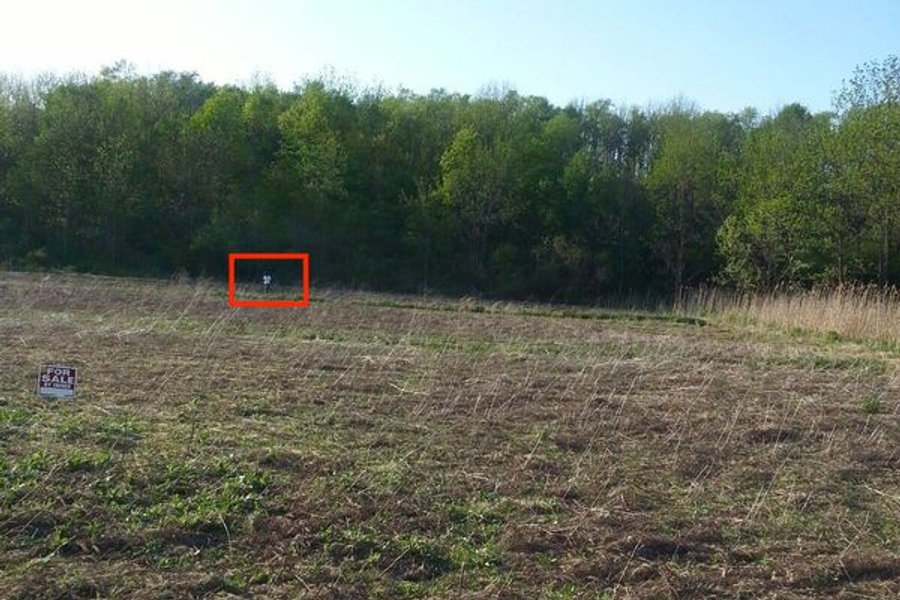
At the auction, I purchased six acres of land in upstate New York. Walking out of that room, I felt like I had just unlocked a secret most people never learn about. I genuinely believed I had purchased a buildable residential lot at an incredible price.
But after the excitement settled, I started researching the property more carefully.
The Mistake That Changed Everything
That’s when I realized something I should have understood before ever placing a bid: the property was located in an agricultural zoning district and wasn’t intended for the type of residential development I originally imagined. What I thought was a straightforward buildable lot turned out to be farmland with a completely different use case.
At first, it felt like I had made a huge mistake.
But then I learned something unexpected.
The property sat in New York’s Black Dirt region — one of the most unique agricultural areas in the country, known for extraordinarily fertile soil capable of growing crops at remarkable rates. What initially looked like a curse slowly revealed itself to be an asset with a completely different type of value.
Eventually, the neighboring property owner purchased the land from me for $13,000 — more than double what I originally paid.
I made money on the deal, but the lesson mattered far more than the profit.
The Realization
That experience completely changed how I approached real estate and land due diligence. I realized how easy it was to misunderstand a property without access to the right information. Zoning, land use restrictions, environmental conditions, flood risk, feasibility — all of the critical information existed, but it was fragmented across different systems and difficult for the average person to interpret.
Larger developers had teams of analysts, consultants, and attorneys to navigate these questions. Beginners had Google searches, county websites, and guesswork.
Why Civil Intelligence Exists
That gap eventually became Civil Intelligence — a platform designed to simplify development feasibility and make critical property intelligence more accessible to everyone.