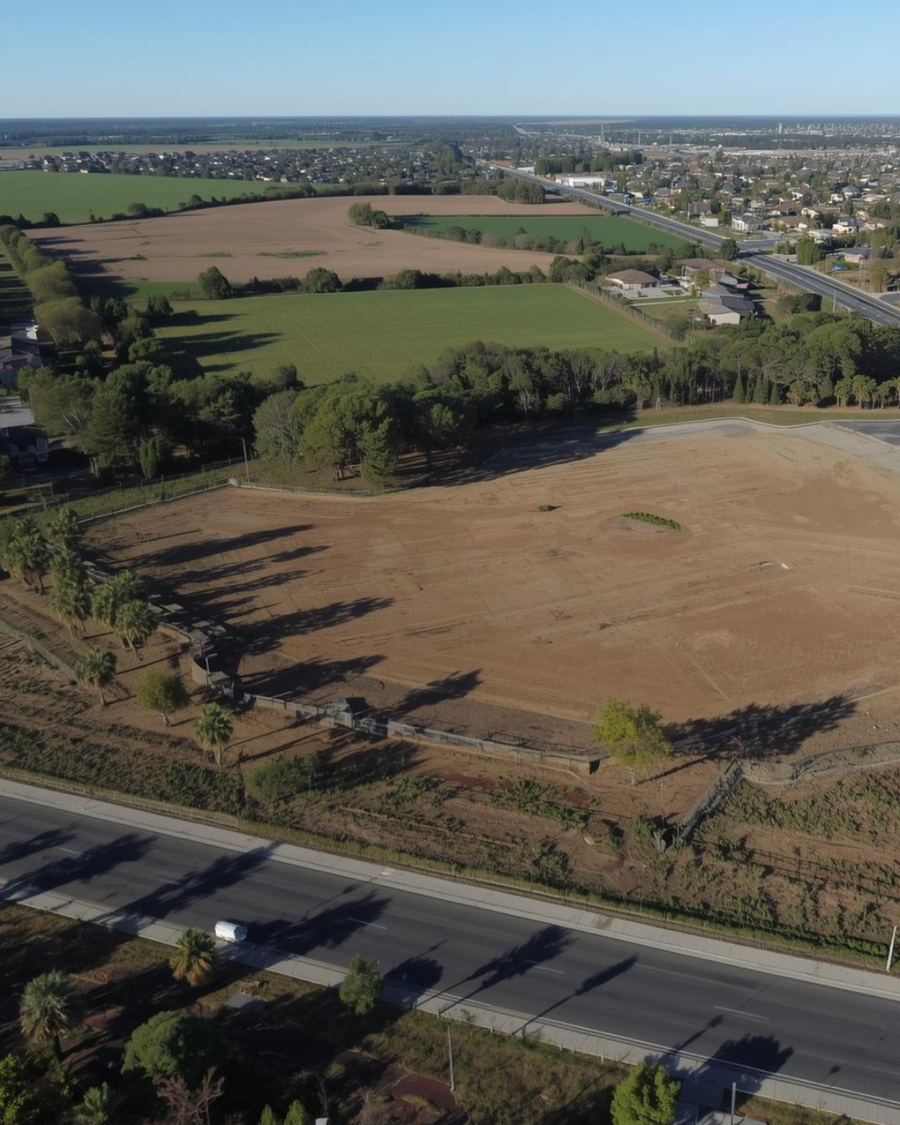
Cheap land has a way of hiding its true cost. Before you make an offer on any piece of land — here is what every developer needs to check and why the purchase price is only the beginning.
Every real estate investor knows the feeling. You find a piece of land listed well below market value and something clicks. The price looks right. The location seems promising. The numbers appear to work on the surface. But cheap land has a way of hiding its true cost, and by the time most buyers discover what they missed the money is already gone.
The first thing experienced developers check before getting excited about a price is zoning. Just because land is available does not mean you can build what you want on it. A lot zoned agricultural or rural residential may look like a blank canvas but could prohibit the residential or commercial development you had in mind entirely. Rezoning is possible in some cases but it is a lengthy uncertain process that can take years and still result in denial. The listing price means very little if the zoning does not support your intended use.
Road access is another hidden cost that catches buyers off guard more than almost anything else. Some parcels — particularly rural and agricultural land — have no legal road access at all. To reach your own property you may have to cross a neighbor's land without any recorded right to do so. Negotiating an easement after the fact is expensive, time consuming, and not guaranteed. Without legal access you cannot obtain a building permit in most jurisdictions. A lot that looked like a bargain becomes an unusable asset the moment you discover it is landlocked.
Environmental issues are equally easy to miss during a casual evaluation. Contaminated soil, buried underground storage tanks, wetlands, and flood zone designations are not visible from the road. Each of these conditions can add hundreds of thousands of dollars to your project cost — or make development impossible altogether. A Phase I Environmental Site Assessment and a review of FEMA flood maps are essential steps that many first time land buyers skip entirely. The cost of these evaluations is minimal compared to the cost of discovering a problem after closing.
The most important lesson experienced developers learn is that the purchase price is just the beginning. Utility extensions, soil remediation, permit fees, road access, and environmental compliance can turn a cheap lot into one of the most expensive mistakes of your career. Before you make an offer on any piece of land the question is never simply what does it cost to buy. The real question is what will it actually cost to build. Civil Intelligence helps you answer most of these question before you pursue a property — so the deal you pursue is one that actually works.