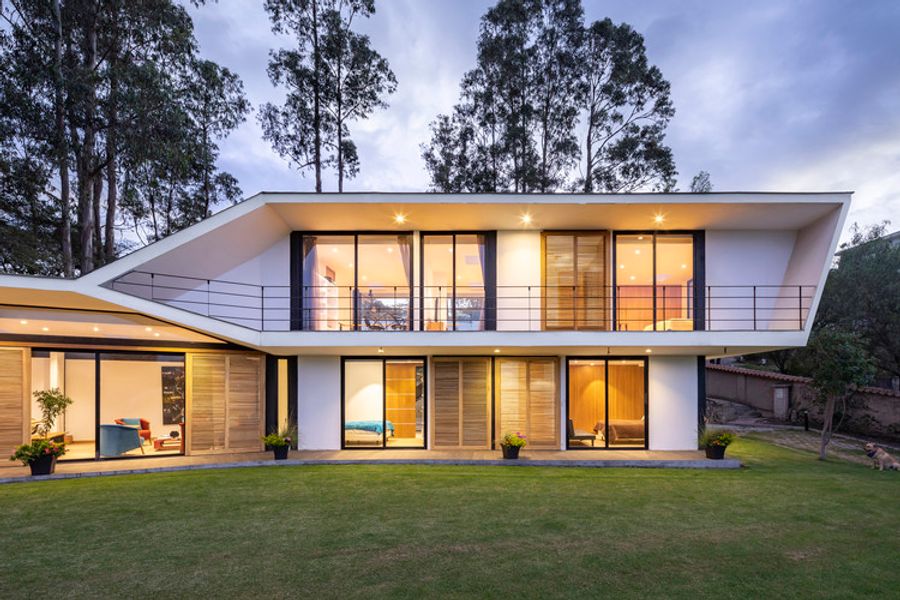
Two properties on the same street can have completely different development potential. Zoning, flood risk, setbacks, utilities, and environmental constraints can dramatically change what can actually be built on a property.
At first glance, two properties on the same street can look almost identical. Similar lot sizes, similar neighborhoods, similar asking prices. But when it comes to development potential, they can be completely different.
One property may allow multifamily housing while the property next door only permits single-family use. One lot may sit outside of a flood zone while another falls within an environmental overlay. Even small differences in zoning districts, setbacks, frontage, lot dimensions, or utility access can significantly impact what can actually be built on a property.
This is where many buyers and beginner developers get caught off guard. A property that appears to be a great opportunity may come with hidden constraints that limit density, increase construction costs, delay permitting, or require additional approvals before development can move forward.
The challenge is that most of this information is fragmented across multiple systems and difficult to interpret without experience. Buyers often find themselves jumping between zoning maps, municipal codes, FEMA flood data, GIS systems, and environmental records just to understand whether a property is truly feasible for their intended use.
That’s why due diligence matters — and why we built Civil Intelligence. Our goal is to simplify early-stage feasibility analysis and help people better understand the risks, constraints, and development potential of a property before making major real estate decisions.