INSIGHT
This is a story about a vacant lot in central Florida, a first-time land buyer named Danielle, and the $4,200 she spent on a parcel she could not use.
It is not a story about fraud. Nobody lied to her. The lot was legitimately for sale. The listing was accurate. The title was clean. Everything Danielle could see on paper looked fine. The problem was what she did not check before she signed.
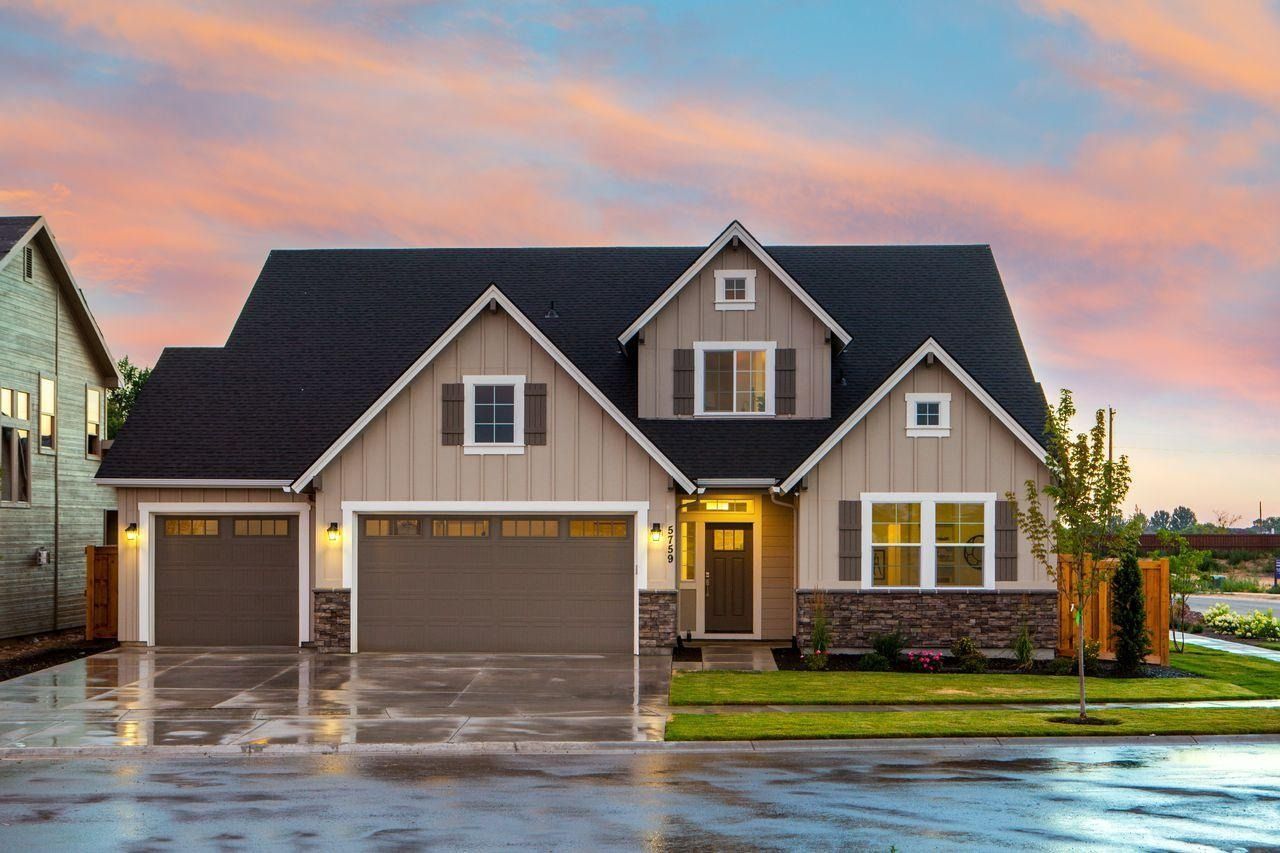
Vacant lots in residential neighborhoods can look like straightforward opportunities. The details buried in local zoning codes tell the real story.
A Deal That Looked Right
Danielle had been watching real estate for a couple of years. She was not looking for a primary residence - she wanted to buy a small lot, build a modest structure, and rent it out. She had read enough to know that vacant land could be an entry point for investors who did not have the capital for a finished property.
She found a half-acre lot in a small city for $4,200. That price was genuinely low for the area. The listing described the lot as residential. There were houses on the surrounding streets. She drove out to see it - flat, cleared, normal-looking neighborhood. Nothing looked wrong. She put in an offer that day.
$4,200
purchase price for a lot that turned out to be legally unbuildable due to a minimum lot size requirement
Why the Title Search Did Not Catch It
Danielle did run a title search, which was the right instinct. The title came back clean - no liens, no unpaid taxes, clear chain of ownership. She took that as the main signal that the purchase was sound.
What a title search does not do is tell you what you can build. It tells you who owns the land and what financial or legal claims exist against it. It does not pull the zoning designation. It does not calculate setbacks. It does not check flood zone status. Buildability is a separate research process, and Danielle did not know she needed to run it.
The lot was zoned R-1, which she knew from the listing. R-1 sounded like what she wanted - residential. What she did not know was the specific R-1 regulations in that jurisdiction required a minimum lot size of one acre for any new residential construction. At half an acre, her parcel did not meet the minimum.
WHAT THE PLANNING DEPARTMENT SAID
She could own the land. She just could not build anything on it. The zoning code required one acre for new construction. Her parcel was half that. No permit would be issued.
What She Found Out After Closing
Danielle found out when she called the county planning department to ask about permit requirements for a new construction project. The person she spoke to was direct: her lot was undersized for the applicable zoning district. A building permit would not be issued at its current size.
Her options were limited. She could try to acquire an adjacent parcel to meet the minimum lot size - not practically available. She could apply for a variance - unlikely to be approved given the number of similar undersized lots in the area. Or she could sell the lot, probably for about what she paid.
She sold it eight months later for $3,800. Legal fees, time, and carrying costs added another several hundred dollars. When she worked out the total, she had spent roughly $1,500 learning one lesson: always check the minimum lot size requirement before you buy vacant land.
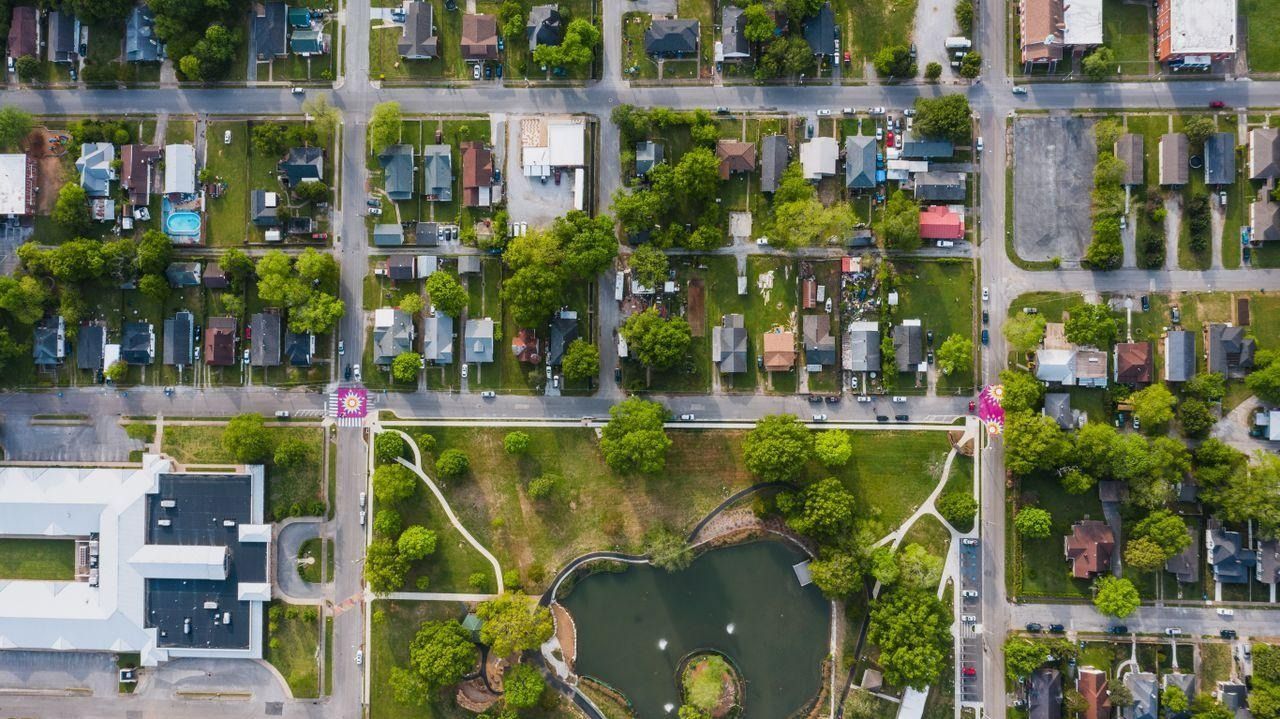
Standard residential neighborhoods have zoning codes that specify minimum lot sizes for new construction - a detail most buyers never check.
What She Would Have Done Differently
Check the Code, Not Just the Label
The first thing Danielle would change is checking not just the zoning designation but the actual zoning code for that designation in that specific jurisdiction. R-1 sounds generic, but every county and municipality has its own version of what R-1 requires. Minimum lot sizes, setbacks, and permitted structures can vary significantly even within the same state.
Run a Buildability Check Before Making an Offer
There are tools that pull zoning data and the specific rules that apply to a parcel - not just the label, but the underlying regulations. If Danielle had used a platform that surfaces minimum lot size requirements automatically, she would have found the issue in a few minutes. The property feasibility check she did not run would have cost far less than what she lost.
Ask One Direct Question Before Closing
The third change: ask the county planning department one direct question before making an offer. What is the minimum lot size for new residential construction in this zoning district, and does this parcel meet it? That question, asked before closing, would have ended the process before any money changed hands.
The Pattern Behind This Story
What happened to Danielle is a version of something that happens constantly in vacant land transactions. The problems are almost always one of a small set of issues: minimum lot size, restrictive zoning, setbacks that eliminate most of the buildable area, flood zone designation, or lack of utility access. None of these are hidden. They are all publicly available information. The challenge is that most buyers do not know they need to look.
Houses come with structures that already passed the permitting process. Land is different. Land is sold as-is with respect to what you can build, and the burden of due diligence falls entirely on the buyer.
How to Protect Yourself Before You Buy
Look up the zoning designation and read the actual code for that designation - not just the label
Check the minimum lot size requirement for new construction in that specific zoning district
Calculate how much buildable area remains after setbacks are applied
Check the FEMA flood zone designation for the parcel
Confirm utility access - water, sewer, and power - at the parcel boundary, not just nearby
Ask the planning department one direct question about your intended use before you make an offer
Check buildability before you make an offer - not after.
Civil Intelligence surfaces zoning rules, minimum lot size requirements, setback calculations, and flood zone status for any parcel address. Know what you are buying before you sign anything.
The difference between a buildable lot and one that looks the same but isn't comes down to due diligence - not price or appearance.
Frequently Asked Questions
What mistakes do first-time land buyers make most often?
The most common mistakes are: not checking the specific minimum lot size requirement before buying, assuming that a clean title search confirms the land is buildable, overlooking flood zone status, and not verifying that utilities are actually accessible at the parcel boundary. The zoning label alone is never enough.
Does a title search confirm that land is buildable?
No. A title search checks legal and financial history - liens, easements, and ownership chain. It does not assess zoning, setbacks, minimum lot sizes, or flood zone status. Buildability research is a completely separate process from title due diligence, and both are necessary before purchasing vacant land.
Can you build on any R-1 zoned land?
Not necessarily. R-1 generally means single-family residential, but minimum lot sizes, setbacks, and height limits vary significantly by jurisdiction. A parcel zoned R-1 may still be legally unbuildable if it does not meet the minimum lot size requirement for new construction in that specific county or municipality.
What is a minimum lot size requirement?
A minimum lot size requirement specifies the smallest parcel that qualifies for new construction permits in a given zoning district. If a parcel falls below the minimum, no building permit will be issued - regardless of what the lot is zoned for. Minimum lot sizes vary widely by jurisdiction and can range from 5,000 square feet to several acres.
How can I find out if a vacant lot is buildable?
Look up the zoning designation and the specific code requirements for that designation in the relevant jurisdiction, including the minimum lot size. Calculate the buildable area after setbacks. Confirm utility access at the parcel boundary. Check the FEMA flood zone status. Ask the local planning department whether your intended use is permitted. A property feasibility tool like Civil Intelligence can automate most of these steps.
What happens if you buy land you can't build on?
You still own the land and can sell it or hold it. However, if the land cannot be built on, its market value is typically much lower than buildable land in the same area. You may be able to pursue a variance or lot consolidation, but these are expensive and uncertain processes. The most effective strategy is to confirm buildability before purchase, not after.