INSIGHT
Impact fees are one of the most variable, least predictable costs in a development budget, and one of the easiest to underestimate. Two jurisdictions a few miles apart can charge dramatically different amounts for functionally identical projects, and within a single jurisdiction, fees can vary based on square footage, number of bedrooms, land use category, and which specific infrastructure categories the fee is funding.
This matters because impact fees are typically due at permit issuance, meaning they show up as a lump sum right when construction financing is already stretched thin, and a fee that wasn't budgeted for accurately can derail a project's finances at the worst possible moment.
This guide explains what impact fees actually pay for, how they differ from other development costs, the typical range you might expect, how they're calculated, and how to find the actual number for a specific project before you're surprised by it.
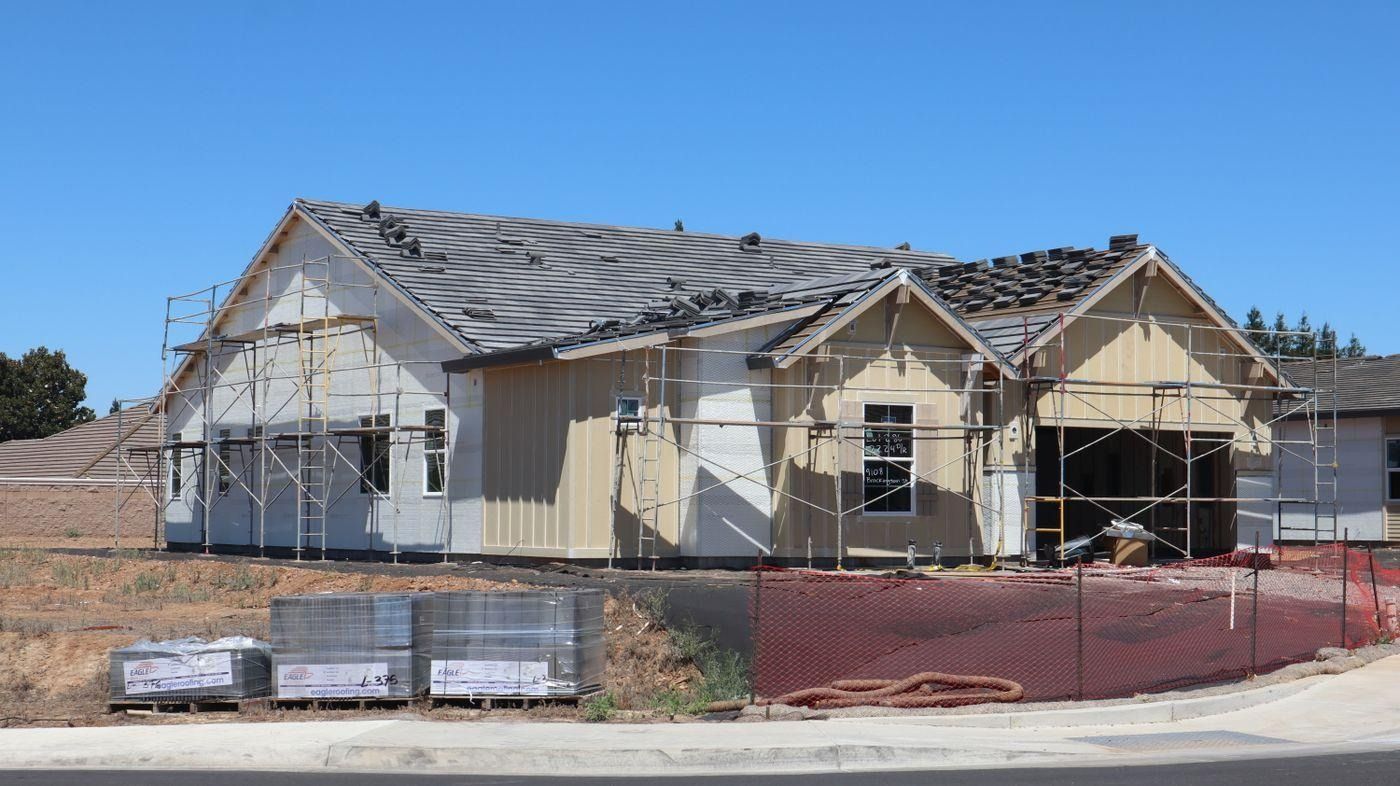
Impact fees fund the infrastructure capacity a new development requires, from road capacity to school enrollment, separate from the cost of the permit review itself.
What Impact Fees Actually Pay For
The Underlying Logic
The premise behind an impact fee is that new development creates additional demand on public infrastructure and services, and that the cost of expanding that infrastructure should be borne, at least in part, by the development creating the new demand, rather than entirely by existing taxpayers.
A new subdivision means more cars on existing roads, more children in existing schools, more demand on the water and sewer system, and more people using parks and recreation facilities. Impact fees are the mechanism many jurisdictions use to fund the expansion of that capacity in proportion to what new development requires.
Common Categories Impact Fees Fund
Most jurisdictions break impact fees into distinct categories, each calculated and collected somewhat independently, meaning a single project can be subject to several different impact fee line items simultaneously:
Transportation or road impact fees, funding capacity expansion on roads affected by increased traffic from the development
School impact fees, funding new school capacity in districts experiencing enrollment growth from new residential development
Water and sewer capacity fees, funding treatment plant and pipeline capacity for the additional utility demand
Parks and recreation fees, funding new or expanded park facilities proportional to new residents
Public safety fees, funding fire and police facility or equipment needs tied to service area growth
Stormwater or drainage fees, funding drainage infrastructure to handle increased impervious surface from new construction
KEY POINT
Impact fees are calculated and charged separately from the standard building permit fee. A permit fee covers plan review and inspection. An impact fee funds external infrastructure capacity. Both apply to the same project, and neither substitutes for the other.
How Impact Fees Are Calculated
Most jurisdictions calculate impact fees using a formula tied to the specific characteristics of a project, rather than a single flat number for all development. Common variables include:
Land use type - residential, commercial, industrial, and institutional uses typically have different fee schedules entirely
Unit count and size - for residential projects, fees commonly scale with the number of dwelling units, and sometimes with square footage or bedroom count
Trip generation - transportation impact fees often use standardized trip generation estimates for different use types to calculate the traffic impact
Service area - some jurisdictions charge different rates in different zones or districts depending on existing infrastructure capacity in that specific area
$1,000-$30,000+
the typical total impact fee range for a single-family home, varying enormously by jurisdiction, with some high-growth areas charging well above this range

Impact fee calculations typically depend on project-specific factors like unit count, square footage, and land use category, not a single flat rate.
Impact Fees vs Other Development Costs
Impact Fee vs Permit Fee
A permit fee covers the administrative cost of the local government reviewing plans and inspecting construction, calculated based on the estimated construction value or a formula tied to square footage. An impact fee is entirely separate, funding external infrastructure rather than administrative review.
Impact Fee vs Exaction or Dedication
Some jurisdictions require a developer to directly build or dedicate infrastructure, such as constructing a turn lane, dedicating land for a park, or extending a sewer line, rather than or in addition to paying a cash impact fee. These in-kind requirements, sometimes called exactions, can sometimes offset or credit against otherwise applicable impact fees, depending on local policy.
Impact Fee vs Special Assessment
A special assessment is a different mechanism, typically an ongoing charge added to property tax bills to fund a specific infrastructure project benefiting a defined area, rather than a one-time fee paid at permit issuance. Some jurisdictions use special assessments instead of, or alongside, traditional impact fees.
WATCH OUT
Impact fees are typically due at permit issuance, not at closing or at the start of construction planning. This timing means the fee arrives as a lump-sum cash requirement precisely when construction financing is already being drawn down, making early budgeting particularly important.
How to Find the Actual Impact Fee for a Specific Project
Step 1: Identify the Applicable Jurisdiction and Fee Schedule
Impact fees are set at the city or county level, and sometimes by special districts (such as a school district) with independent fee authority. Confirm which jurisdiction and any overlapping special districts apply to the specific parcel, since more than one entity may charge a separate impact fee for the same project.
Step 2: Request the Current Fee Schedule
Most jurisdictions publish an impact fee schedule showing the rate for different land use categories and project sizes. Request the current schedule directly from the planning or building department, since these fees are commonly updated annually and a schedule found through a general search may be outdated.
Step 3: Confirm Project-Specific Variables
Provide the specific project details, unit count, square footage, land use type, to get an accurate calculation rather than relying on a general range, since the variables that drive the calculation are project-specific.
Step 4: Ask About Timing and Payment Options
Confirm exactly when the fee is due, since this is typically at permit issuance but can vary, and ask whether any deferral, installment, or credit programs exist, since some jurisdictions offer payment flexibility for certain project types, particularly affordable housing development.
How Civil Intelligence Fits Into Budgeting for a Project
Impact fees are set and administered locally, meaning an accurate figure ultimately requires a direct check with the relevant jurisdiction's current fee schedule. Understanding the zoning classification and buildable area for a specific parcel first helps confirm what kind of project the land actually supports, which is the necessary starting point before requesting an accurate impact fee calculation for that specific project type.
Civil Intelligence returns zoning classification and buildable area for any parcel address, helping establish the scope of a feasible project before you request project-specific impact fee figures from the local jurisdiction.
Confirm what you can build before you budget the fees to build it.
Civil Intelligence returns zoning classification and buildable area for any parcel address, helping define project scope before you request accurate impact fee figures from the local jurisdiction.

Budgeting for impact fees early avoids cash flow surprises at permit issuance, when construction financing is often already committed.
Frequently Asked Questions
What is a development impact fee?
A development impact fee is a one-time charge imposed by a local government on new construction to fund the added burden on public infrastructure, such as roads, schools, water and sewer systems, and parks. It is separate from the standard building permit fee, which covers plan review and inspection rather than external infrastructure capacity.
How much is a typical impact fee for a single-family home?
Impact fees for a single-family home commonly range from around $1,000 to $30,000 or more, varying enormously by jurisdiction, land use category, and which infrastructure categories the fee funds. High-growth areas and jurisdictions with several separate fee categories (transportation, schools, water/sewer, parks) tend toward the higher end of this range.
When are development impact fees due?
Impact fees are typically due at permit issuance, not at the time of purchase or at the start of project planning. This timing means the fee arrives as a lump-sum cash requirement at a point when construction financing is often already being drawn down, making early budgeting for this cost particularly important.
What is the difference between an impact fee and a permit fee?
A permit fee covers the administrative cost of plan review and construction inspection, typically calculated from the estimated construction value or square footage. An impact fee is a separate charge funding external infrastructure capacity, such as roads, schools, and utilities, needed because of the added demand from new development. Both apply to the same project independently.
Can impact fees be reduced or waived?
Sometimes. Some jurisdictions offer credits for developers who directly build or dedicate infrastructure (an exaction) instead of paying the full cash fee, and some offer reduced fees or deferral programs for specific project types such as affordable housing. Availability varies significantly by jurisdiction and requires a direct inquiry with the local planning department.
How do I find the exact impact fee for my project?
Confirm which jurisdiction and any overlapping special districts (such as a school district with independent fee authority) apply to the parcel, then request the current impact fee schedule directly from the planning or building department along with your project's specific details, unit count, square footage, and land use type, since fee schedules are commonly updated annually and vary by these project-specific factors.