INSIGHT
Traffic is one of the more common ways a project gets more expensive after the zoning question is settled. A parcel can be correctly zoned, adequately sized, and fully compliant on setbacks and coverage, and still face a requirement to install a turn lane, signalize an intersection, or widen a road before the project can proceed.
What makes this catch developers off guard is that the requirement is triggered by projected traffic volume rather than by anything visible about the site. Two identical buildings can face completely different road obligations depending on what use goes inside them, because a fast food restaurant and a self-storage facility of the same square footage generate wildly different trip counts.
This guide explains what a traffic study measures, how trip generation is estimated, the thresholds that trigger a study, what improvements can be required, and how to assess traffic exposure early rather than after a site plan is already drawn.
What the Study Actually Measures
Trip Generation
The starting point is estimating how many vehicle trips the completed project will produce. Engineers typically use published trip generation rates, most commonly the Institute of Transportation Engineers manual, which provides rates by land use category and project size.
These rates vary enormously by use. A drive-through restaurant, a convenience store with fuel pumps, and a warehouse of comparable size sit at opposite ends of the spectrum, which is why the intended use drives the traffic conclusion far more than the building size does.
KEY POINT
Trip generation depends on the use, not the structure. A change of use in an existing building can trigger a traffic study even with no construction at all, because converting a low-traffic use into a high-traffic one materially changes the projected trip count.
Trip Distribution and Assignment
Once total trips are estimated, the engineer projects how those trips will distribute across the surrounding road network, which directions vehicles will come from and go to, and assigns them to specific intersections and road segments.
Level of Service
The core output is usually a level of service rating for affected intersections, graded on a scale from A through F based on average delay per vehicle. Jurisdictions commonly set a minimum acceptable level of service, and if a project would push an intersection below that standard, improvements are typically required to bring it back into compliance.
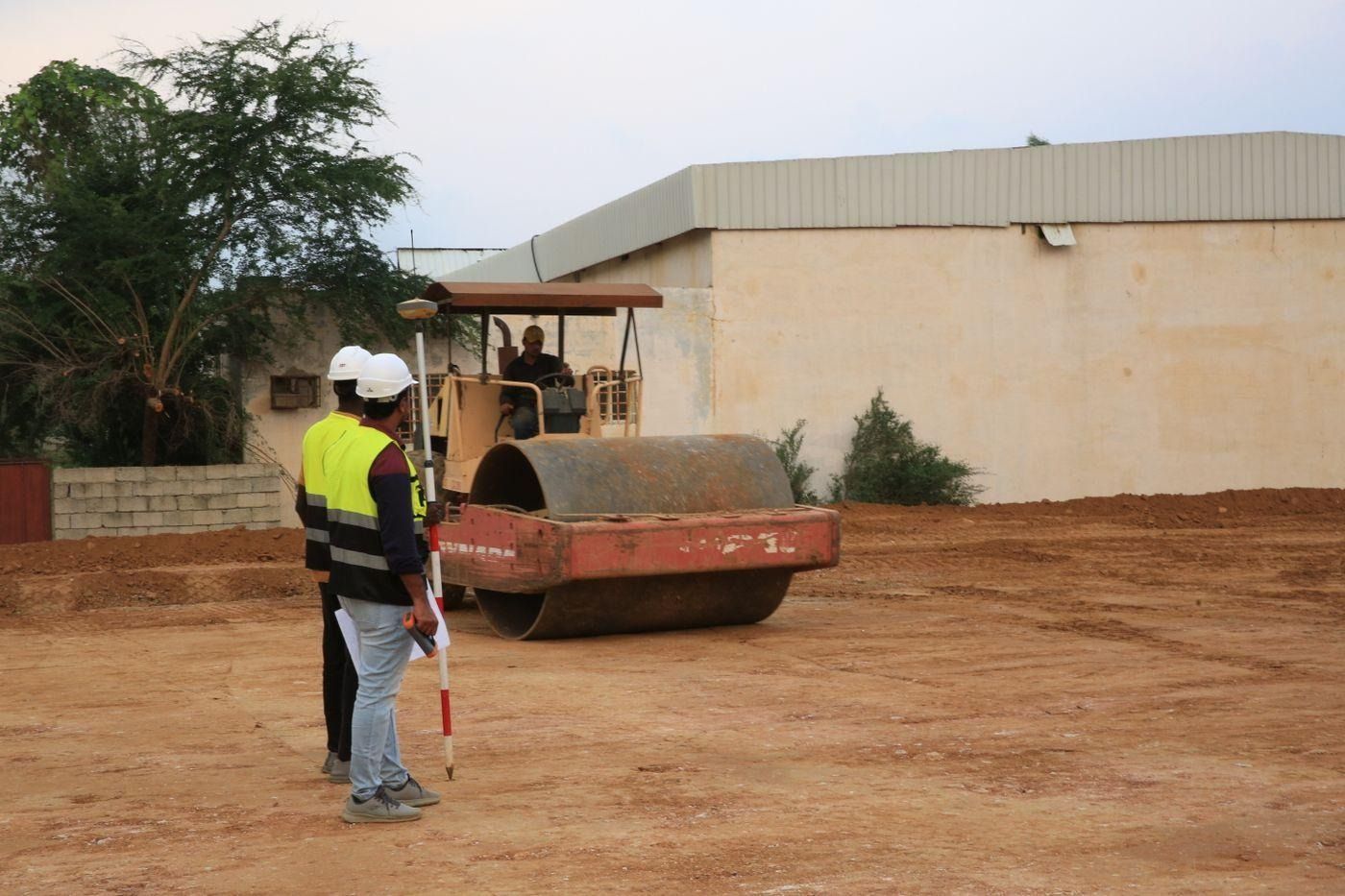
Where a project would degrade intersection performance below the local standard, the developer is commonly required to fund or build the improvement.
When a Study Is Required
Thresholds vary significantly by jurisdiction, but studies are commonly triggered by one or more of the following:
Projected trip generation exceeding a set threshold, often expressed as peak hour trips, with common thresholds falling somewhere in the range of 50 to 100 peak hour trips
Project size exceeding a defined number of residential units or square feet of commercial space
Any rezoning, conditional use permit, or subdivision application, where some jurisdictions require a study regardless of projected volume
Proposed access onto a state highway or arterial road, which frequently triggers a separate state department of transportation review in addition to local requirements
Location within a corridor where the jurisdiction has identified existing congestion concerns
What the Study Can Require You to Build
This is where a traffic study translates into direct project cost. Improvements commonly identified include:
Turn lanes, including dedicated left or right turn lanes at the site access point
Traffic signal installation or modification, which is among the more expensive requirements
Road widening along the property frontage
Deceleration or acceleration lanes on higher speed roads
Sidewalk, curb, gutter, or drainage improvements tied to the road work
Access restrictions, such as limiting the site to right-in right-out only rather than full access
WATCH OUT
An access restriction can affect a project's viability as much as a construction cost can. A retail or restaurant use limited to right-in right-out access, rather than full turning movements, may be significantly less attractive to tenants, which is worth understanding before the site plan is finalized.
How Traffic Studies Relate to Impact Fees
Traffic studies and transportation impact fees are separate mechanisms that can both apply to the same project, and confusing them leads to under-budgeting.
A transportation impact fee is a standardized charge funding general road capacity across the jurisdiction, calculated by formula. A traffic study identifies specific improvements needed because of your project's particular effect on nearby intersections, which you may be required to design and construct directly.
Some jurisdictions offer credits against impact fees for developer-constructed improvements, recognizing that the developer has already funded capacity. Whether such a credit is available, and how it is calculated, varies and is worth asking about explicitly rather than assuming.
Cost and Timeline
A traffic impact study is typically prepared by a licensed traffic or civil engineer, and costs commonly range from a few thousand dollars for a small project to considerably more for larger developments requiring extensive data collection and modeling. Preparation frequently takes several weeks, since it often requires collecting actual traffic counts at affected intersections during representative conditions.
The timeline matters for project scheduling. Traffic counts are generally not collected during holiday periods, school breaks, or other atypical conditions, which can delay a study if the timing falls badly. Where a state highway is involved, the additional state review can extend the process further.
How to Assess Traffic Exposure Early
Identify the specific intended use, not just the zoning category, since trip generation is driven by the use rather than the building
Ask the local planning or engineering department what trip generation threshold triggers a study in that jurisdiction
Determine whether site access would be onto a state-maintained road, which typically adds a separate review
Ask whether the corridor has any known congestion issues or an adopted access management plan that could restrict driveway placement
If a study seems likely, get a preliminary opinion from a traffic engineer before finalizing the site plan, since access location and site layout are much cheaper to change on paper
How Civil Intelligence Fits Into the Picture
A traffic study requires a licensed engineer and site-specific data collection, and cannot be produced from remote data. What matters earlier is understanding what the parcel's zoning permits, since the intended use is what drives trip generation and therefore whether a study is likely at all.
Civil Intelligence returns zoning classification, setback requirements, and buildable area for any parcel address, establishing what the site supports before you evaluate the traffic implications of a specific use.
Know what the parcel permits before you price the road work.
Civil Intelligence returns zoning classification, setback requirements, and buildable area for any parcel address. The free plan includes 3 site analyses with no credit card required.
Frequently Asked Questions
What is a traffic impact study?
A traffic impact study is a technical report by a licensed engineer estimating how much traffic a proposed development will generate and evaluating the effect on nearby roads and intersections. It commonly identifies road improvements the developer must build or fund as a condition of project approval.
When is a traffic impact study required?
Thresholds vary by jurisdiction but studies are commonly triggered by projected trip generation exceeding a set level, often somewhere in the range of 50 to 100 peak hour trips, by project size thresholds, by any rezoning or conditional use application in some jurisdictions, or by proposed access onto a state highway or arterial road.
Can a change of use trigger a traffic study with no construction?
Yes. Trip generation depends on the use rather than the structure, so converting a low-traffic use into a high-traffic one, such as a warehouse into a restaurant, can materially change the projected trip count and trigger a study even with no physical construction proposed.
What is level of service in a traffic study?
Level of service is a rating from A through F describing intersection performance based on average delay per vehicle. Jurisdictions typically set a minimum acceptable level, and if a project would push an affected intersection below that standard, improvements are generally required to restore acceptable performance.
Is a traffic study the same as a transportation impact fee?
No. An impact fee is a standardized charge calculated by formula that funds general road capacity across the jurisdiction. A traffic study identifies specific improvements needed because of your project's particular effect on nearby roads, which you may have to design and build directly. Both can apply to the same project, and some jurisdictions offer impact fee credits for developer-constructed improvements.
How much does a traffic impact study cost?
Costs commonly range from a few thousand dollars for a small project to considerably more for larger developments requiring extensive data collection and modeling. This is separate from the cost of any improvements the study identifies, which can be substantially higher, particularly where signalization or road widening is required.