INSIGHT
A title search and title insurance are frequently treated as the same protection, and they are not. A title search is a review of public records looking for existing problems. Title insurance is a policy protecting against the problems that search didn't find, whether because they were recorded incorrectly, involved fraud, or simply were not in the public record to begin with.
This distinction matters because a clean title search result feels like a guarantee, and it isn't one. Searches are performed by people reviewing records that are themselves sometimes wrong, incomplete, or affected by fraud that wouldn't show up in a records review at all. Title insurance exists specifically to cover the gap between what a search can find and what could still go wrong. This guide explains what title insurance actually covers, the difference between an owner's policy and a lender's policy, common claims that illustrate why the coverage matters, what it typically excludes, and how to think about it when buying a property.

Title Search vs Title Insurance
What a Title Search Does
A title search is a review of public land records, deeds, liens, judgments, and other recorded documents, to confirm the seller has clear ownership and to identify any existing claims against the property. It is a records review, performed before closing, intended to catch problems that are already recorded and discoverable.
What Title Insurance Does
Title insurance protects against defects that existed before the policy was issued but were not caught by the search, and against certain risks a search cannot detect at all. This includes forged signatures on a prior deed, a previously undisclosed heir with a legitimate ownership claim, clerical errors in how a document was recorded, and fraud in a past transaction in the property's chain of ownership.
Owner's Policy vs Lender's Policy
Lender's Title Insurance
If a property is financed with a mortgage, the lender will almost always require a lender's title insurance policy, protecting the lender's financial interest in the property up to the loan amount. This policy is typically required as a condition of the loan and is paid for by the buyer at closing, but it protects the lender, not the buyer.
Owner's Title Insurance
An owner's policy is optional in most transactions, protects the buyer directly, and generally covers the full purchase price of the property rather than just the loan amount. Because a lender's policy does not protect the buyer's equity or out-of-pocket investment, buyers who skip the owner's policy have no title insurance protection for their own financial interest in the property, even though the lender is fully covered.
Lender ≠ Owner
coverage for the lender does not extend to the buyer, meaning a buyer who only carries a lender's policy has no title protection for their own investment
What Title Insurance Typically Covers
Coverage varies by policy and jurisdiction, but a standard owner's policy commonly protects against:
Forged or fraudulent documents in the property's chain of title
Undisclosed heirs or other parties with a legitimate competing ownership claim
Clerical or recording errors in public land records
Liens or judgments against a previous owner that were missed during the search
Errors in prior deeds, such as an incorrect legal description or an improperly executed signature
What It Commonly Excludes
Defects created after the policy is issued, since it covers only pre-existing problems, not future events
Zoning violations or other land use restrictions, unless a specific endorsement is added to the policy
Issues the buyer knew about but didn't disclose to the title company before closing
Boundary or survey issues, unless the policy specifically includes survey coverage, which typically requires an actual survey to be performed
Why This Matters: Common Real-World Scenarios
Title insurance claims tend to fall into a recognizable set of patterns, each illustrating a risk that a records search alone would not have prevented:
A previous owner's estate was settled incorrectly, and an heir not accounted for in the will surfaces years later with a legitimate legal claim
A deed several owners back was forged, making every subsequent transfer of ownership legally questionable
A contractor's lien from years earlier was never properly released in the public record, despite the work having been paid for
A clerical error recorded the wrong legal description, creating ambiguity about exactly what property was actually conveyed

How Much It Costs and When You Pay
Unlike most insurance, title insurance is generally paid as a one-time premium at closing rather than through recurring payments, and the policy remains in effect for as long as the owner or their heirs retain an interest in the property. Cost varies by state, purchase price, and insurer, but is commonly a modest percentage of the purchase price, particularly for the owner's policy purchased alongside a required lender's policy, since combined-issue rates are frequently available at closing.
How Civil Intelligence Fits Into This Picture
Title insurance addresses ownership and chain-of-title risk specifically, which is separate from zoning and land use questions entirely. A property can have a perfectly insurable, clean title and still be significantly constrained by zoning, setbacks, or buildable area, since those are public land use restrictions rather than title defects.
Civil Intelligence returns zoning classification and buildable area for any parcel address, addressing the land use side of due diligence that title insurance does not cover, since a standard title policy generally excludes zoning matters unless a specific endorsement is added.
Title insurance covers ownership risk. Check the zoning risk separately.
Civil Intelligence returns zoning classification and buildable area for any parcel address, covering the land use side of due diligence that a standard title policy does not include.
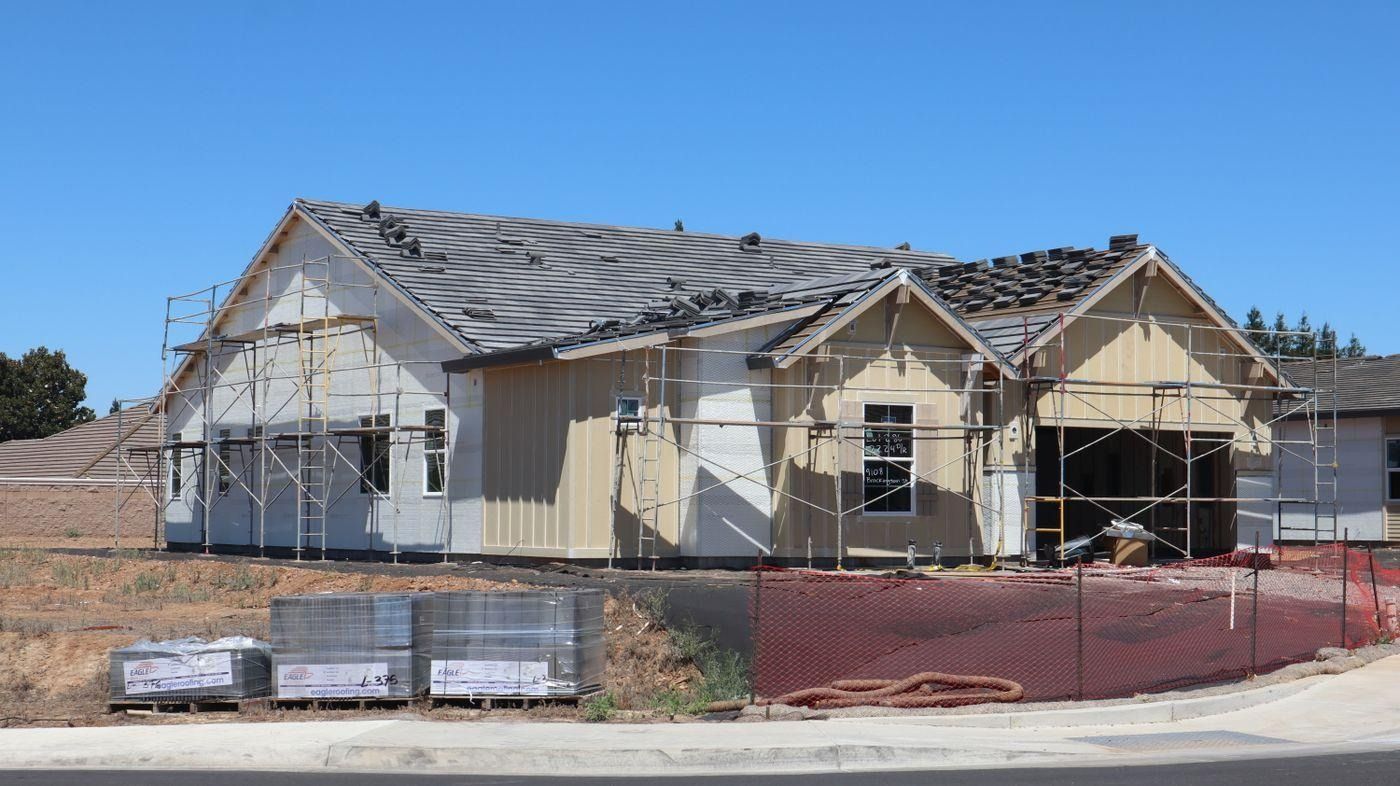
Title insurance and zoning due diligence address separate categories of risk, and both are worth confirming before a purchase closes.
Frequently Asked Questions
What is title insurance?
Title insurance is a policy protecting a property owner or lender against financial loss from defects in a property's title that existed before the policy was issued but weren't caught during the title search, such as forged documents, undisclosed heirs, or clerical recording errors. It is typically paid once at closing rather than through ongoing premiums.
Is a title search the same as title insurance?
No. A title search is a review of public records to identify existing, discoverable problems with a property's ownership. Title insurance protects against defects the search didn't catch, including fraud, undisclosed heirs, and clerical errors, which by definition would not have been found by reviewing the records.
What is the difference between an owner's policy and a lender's policy?
A lender's policy, generally required for any mortgaged purchase, protects the lender's financial interest up to the loan amount. An owner's policy, usually optional, protects the buyer directly and typically covers the full purchase price. A lender's policy does not extend any protection to the buyer's own equity or investment in the property.
Does title insurance cover zoning issues?
Generally, no. A standard title insurance policy typically excludes zoning violations and other land use restrictions unless a specific endorsement covering those risks is added to the policy. Zoning and title are separate categories of risk, and confirming zoning compliance requires a separate check from title insurance coverage.
How much does title insurance cost?
Cost varies by state, purchase price, and insurer, but is typically a modest percentage of the purchase price, paid once at closing. Buying an owner's policy alongside a required lender's policy is often available at a reduced combined rate, since both policies are being issued for the same transaction.
Do I need title insurance if the title search came back clean?
Yes, if you want protection against defects a search cannot catch, such as forged documents, undisclosed heirs, or clerical errors in the public record. A clean search result confirms nothing problematic was found in the records, not that no problems exist, which is exactly the gap title insurance is designed to cover.